The Benefits of Music Education for Children
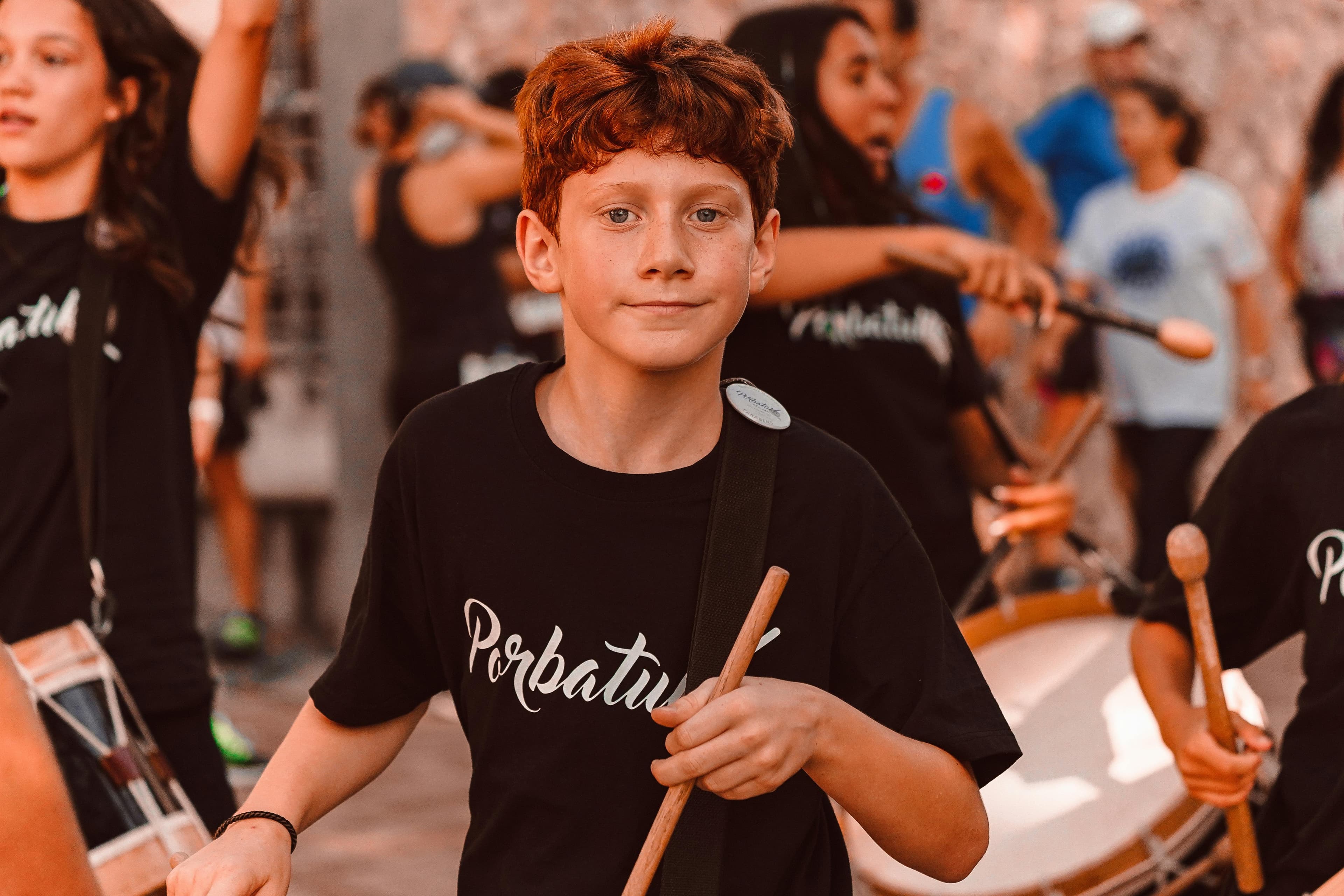
Music education is far more than learning to play an instrument or sing in tune. Research consistently shows that children who engage with music develop enhanced cognitive abilities, improved academic performance, and stronger social skills that benefit them throughout their lives.
Cognitive Development and Brain Function
Learning music fundamentally changes how the brain processes information. Studies using brain imaging technology have revealed that musicians have stronger connections between the left and right hemispheres of their brains, enhanced memory systems, and more developed auditory cortexes compared to non-musicians.
When children learn to read music, they're simultaneously processing visual information, translating it into motor movements, and listening to the results—all while maintaining rhythm and tempo. This complex multitasking strengthens neural pathways and improves executive function, which governs planning, problem-solving, and self-control.
Key Finding:
Children who receive music education show improved performance in spatial-temporal reasoning—the ability to visualize and manipulate objects in space—which is crucial for mathematics and science.
Academic Performance Across Subjects
The benefits of music education extend well beyond the music room. Multiple studies have demonstrated correlations between music training and improved performance in core academic subjects:
Mathematics
Music and mathematics share fundamental concepts including patterns, ratios, fractions, and sequences. When children learn about rhythm, they're working with fractions—understanding that a half note is twice as long as a quarter note. This practical application of mathematical concepts helps solidify abstract ideas and improves numerical reasoning.
Language and Literacy
Music training enhances phonological awareness—the ability to recognize and manipulate sounds in language—which is fundamental to reading development. Children who study music often show accelerated vocabulary development and improved reading comprehension. The discipline of learning lyrics and musical notation also strengthens memory and pattern recognition skills essential for literacy.
Science
Understanding music involves grasping scientific concepts like sound waves, frequency, amplitude, and resonance. Children naturally explore physics principles when they learn how different instruments produce sound and how changing variables affects the outcome. This hands-on experimentation mirrors the scientific method and encourages curiosity about the physical world.
Social and Emotional Development
Music education provides unique opportunities for social interaction and emotional growth that complement academic learning:
Teamwork and Collaboration
Playing in an ensemble—whether an orchestra, band, or choir—teaches children to listen to others, coordinate their actions, and work toward a common goal. They learn that their individual contribution matters to the group's success, fostering both personal responsibility and collective achievement. These collaborative skills transfer directly to group projects in school and teamwork in future careers.
Emotional Expression and Regulation
Music provides a healthy outlet for emotional expression. Children learn to channel feelings into their performance, developing emotional intelligence and self-awareness. The discipline required to master an instrument also teaches delayed gratification and emotional regulation—understanding that progress comes through consistent effort rather than immediate results.
Confidence and Self-Esteem
Successfully learning a piece of music or performing in front of an audience builds confidence that extends beyond musical contexts. Children develop a growth mindset, understanding that abilities can be developed through dedication and practice. This resilience and self-belief supports them in tackling challenges across all areas of life.
Long-Term Benefits and Life Skills
The advantages of music education persist long after childhood. Adults who studied music as children demonstrate:
- Enhanced memory and cognitive flexibility in older age
- Better time management and organizational skills
- Increased creativity and innovative thinking
- Stronger discipline and work ethic
- Greater cultural awareness and appreciation
- Improved stress management and emotional wellbeing
Starting Music Education: Practical Guidance
When to Start
Children can begin engaging with music from infancy through singing, movement, and simple percussion instruments. Formal lessons typically start between ages 5-7, though this varies by instrument. Piano and violin often begin earlier, while instruments requiring more physical development like saxophone or French horn may start at age 10-12.
Choosing an Instrument
Let your child's interests guide instrument selection. Consider practical factors like physical size, budget for instrument purchase or rental, and space for practice. Many music schools offer trial sessions where children can experiment with different instruments before committing.
Finding Quality Instruction
Look for qualified teachers with experience working with children. Check for relevant qualifications, DBS clearance, and teaching insurance. Many excellent teachers work through music schools, privately, or offer online lessons. Consider whether your child would thrive in individual lessons or group classes—both offer distinct benefits.
Practice Makes Progress
Consistent practice is more important than long sessions. Aim for 15-20 minutes daily for beginners, gradually increasing as skills develop. Create a dedicated practice space and establish a routine that fits your family's schedule.
Supporting Your Child's Musical Journey
Parents play a crucial role in sustaining children's musical engagement:
- Show interest: Attend performances and ask about what they're learning
- Be patient: Progress isn't always linear; plateaus are normal
- Celebrate effort: Praise practice and improvement, not just perfect performances
- Expose them to music: Attend concerts, listen to diverse genres, discuss music together
- Make it enjoyable: Balance structured learning with fun musical activities
- Set realistic expectations: Not every child will become a professional musician, and that's perfectly fine
Music Education for All
Music education should be accessible to all children, regardless of background or ability. Many councils offer subsidized music lessons, and organizations like Music for All Children provide instruments and tuition to families who couldn't otherwise afford them. Schools increasingly recognize music's importance, with many offering free or low-cost instrumental lessons during school hours.
For children with special educational needs, music can be particularly beneficial. It provides alternative ways to communicate, express emotions, and connect with others. Many music teachers specialize in inclusive teaching methods that adapt to individual learning styles and abilities.
Conclusion: An Investment in Your Child's Future
Music education offers profound benefits that extend far beyond learning to play an instrument. It enhances cognitive development, improves academic performance, builds social skills, and provides lifelong enjoyment. Whether your child becomes a professional musician or simply carries music as a hobby into adulthood, the skills and experiences gained through music education will serve them well throughout their lives.
The investment of time, effort, and resources in music education pays dividends in ways both measurable and immeasurable—from improved test scores to the joy of creating something beautiful, from enhanced brain function to the confidence gained through performance. For parents considering music lessons for their children, the evidence is clear: music education is one of the most valuable gifts you can give.
Find Music Lessons Near You
Discover music classes, instrumental lessons, and choirs for children aged 4-18
Browse Music Activities