Dance Programs Help Build Confidence in Children
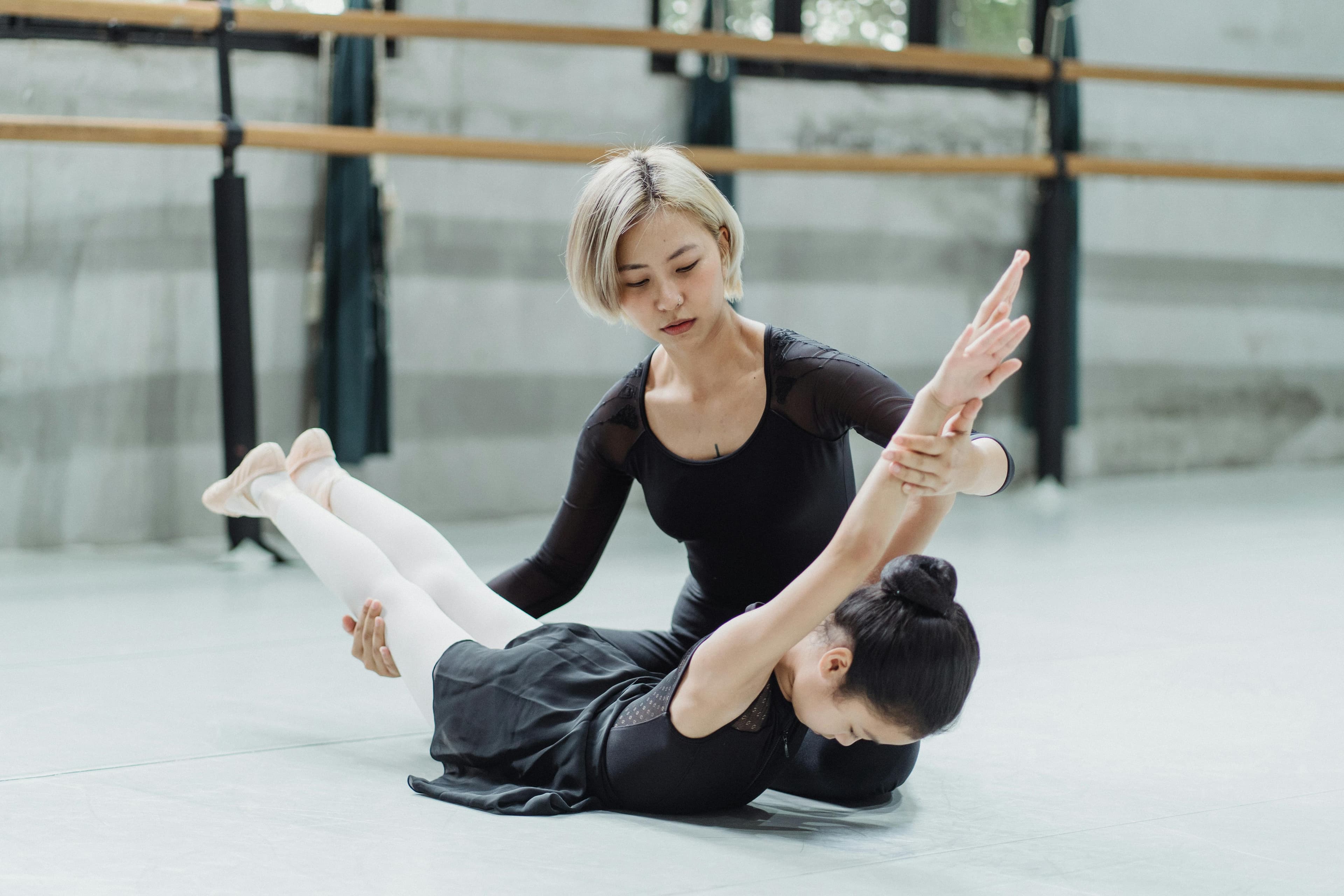
Dance is far more than learning steps and routines. For children, dance classes provide a unique environment where they can develop confidence, express themselves, and build essential life skills. Whether your child dreams of performing on stage or simply enjoys moving to music, dance offers profound benefits that extend well beyond the studio.
How Dance Builds Confidence
Mastering New Skills
Every time a child learns a new dance move or completes a routine, they experience achievement. This progressive skill development—starting with basic steps and gradually advancing to complex choreography—builds a sense of competence and self-efficacy. Children learn that with practice and persistence, they can accomplish things that initially seemed difficult or impossible.
Unlike some activities where progress can be abstract, dance provides tangible evidence of improvement. Children can see and feel themselves getting better, whether it's finally nailing that pirouette, remembering an entire routine, or moving with greater fluidity and control.
Body Awareness and Positivity
Dance helps children develop a positive relationship with their bodies. Rather than focusing on appearance, dance emphasizes what bodies can do—the strength, flexibility, coordination, and expressiveness they possess. This functional appreciation of the body fosters healthy body image and self-acceptance.
As children become more aware of how their bodies move through space, they develop better posture, coordination, and physical confidence. This translates into how they carry themselves in everyday life, often resulting in more confident body language and presence.
Research Finding:
Studies show that children who participate in dance programs demonstrate higher levels of self-esteem and body confidence compared to non-dancers, with benefits persisting into adolescence and adulthood.
Performance and Public Speaking
Performing in front of an audience—whether at a small studio showcase or a large theatre production—is one of the most powerful confidence-building experiences dance offers. The process of preparing for performance, managing nerves, and successfully executing a routine in front of others develops resilience and self-assurance that transfers to other areas of life.
Many parents report that children who dance become more comfortable with public speaking, presentations at school, and social situations. The experience of being watched and evaluated while performing helps children develop composure under pressure—a valuable life skill.
Social Benefits of Dance
Building Friendships
Dance classes create natural opportunities for friendship. Children work together toward common goals, support each other through challenges, and share the excitement of performances. The collaborative nature of dance—particularly in group routines—fosters teamwork and mutual encouragement.
For shy or socially anxious children, dance provides a structured environment where they can interact with peers through a shared activity. The focus on movement rather than conversation can make social interaction feel less pressured and more natural.
Learning to Give and Receive Feedback
Dance classes teach children to accept constructive criticism gracefully and use it to improve. Teachers provide regular feedback on technique, expression, and performance, helping children understand that critique is about growth, not personal failure. This ability to receive feedback without defensiveness is crucial for personal and professional development.
Children also learn to support and encourage their classmates, developing empathy and communication skills. Watching others succeed and celebrating their achievements builds generosity of spirit and reduces competitive jealousy.
Emotional Expression and Regulation
A Safe Outlet for Emotions
Dance provides a healthy channel for emotional expression. Children can convey feelings through movement that they might struggle to articulate verbally. Whether expressing joy through energetic jumps or sadness through slower, more controlled movements, dance offers a non-verbal language for emotional communication.
This emotional outlet is particularly valuable during challenging developmental periods. Adolescents, for example, often find dance helps them process complex emotions and stress in a constructive way.
Developing Emotional Intelligence
Learning to convey emotions through dance requires children to identify, understand, and express different feelings. This process develops emotional intelligence—the ability to recognize and manage emotions in themselves and others. Dancers learn to read the emotional content of music and choreography, then embody those emotions in their performance.
Physical Benefits That Support Confidence
The physical benefits of dance directly contribute to confidence building:
- Improved fitness: Regular dance develops cardiovascular health, strength, and flexibility
- Better coordination: Dance enhances motor skills and spatial awareness
- Increased energy: Physical activity boosts mood and energy levels
- Enhanced posture: Dance training improves alignment and carriage
- Greater stamina: Building endurance through dance translates to other activities
Feeling physically capable and strong naturally enhances self-confidence. Children who dance often report feeling more energetic, capable, and comfortable in their bodies.
Choosing the Right Dance Style
Different dance styles offer unique benefits and appeal to different personalities:
Ballet
Best for: Children who enjoy structure, precision, and classical music. Ballet provides excellent technical foundation for other dance styles.
Confidence benefits: Discipline, attention to detail, grace, and the satisfaction of mastering technically demanding movements.
Street Dance / Hip Hop
Best for: Energetic children who love contemporary music and urban culture. Often appeals to children who find ballet too formal.
Confidence benefits: Self-expression, creativity, and the cool factor that comes with mastering popular dance styles.
Contemporary / Modern
Best for: Creative, expressive children who enjoy interpreting music and emotions through movement.
Confidence benefits: Artistic expression, emotional exploration, and freedom to develop personal style.
Tap Dance
Best for: Children who enjoy rhythm, music, and making noise! Tap is fun and less focused on appearance than other styles.
Confidence benefits: Rhythm skills, coordination, and the joy of creating music with your feet.
Musical Theatre
Best for: Outgoing children who love performing, singing, and acting as well as dancing.
Confidence benefits: Performance skills, character development, and the confidence that comes from triple-threat training.
Tip for Parents:
Many dance schools offer trial classes. Let your child try different styles before committing to find what they enjoy most. The best dance style is the one they'll stick with.
Finding the Right Dance School
The environment matters as much as the dance style. Look for schools that:
- Prioritize enjoyment and personal development over competition
- Have qualified, encouraging teachers with appropriate safeguarding
- Offer age-appropriate classes with suitable student-teacher ratios
- Create inclusive environments where all children feel welcome
- Focus on technique and safety, not just performance
- Provide opportunities for performance without excessive pressure
- Communicate clearly with parents about expectations and progress
Supporting Your Child's Dance Journey
Encourage Without Pressuring
Show interest in your child's dancing without creating pressure to excel. Attend performances and ask about what they're learning, but avoid comparing them to other dancers or pushing them toward professional aspirations unless that's their genuine goal.
Celebrate Effort Over Perfection
Praise your child's hard work, improvement, and courage to perform rather than focusing solely on technical perfection. Comments like "I could see how much effort you put into that routine" or "You looked like you were really enjoying yourself" are more valuable than "You were the best one."
Manage Performance Nerves
Help your child understand that nervousness before performing is normal and even helpful—it shows they care. Teach simple techniques like deep breathing, positive visualization, and focusing on the joy of dancing rather than fear of mistakes.
Respect Their Choices
If your child wants to try a different dance style or even stop dancing altogether, listen to their reasons and respect their decision. Forcing continued participation when they're genuinely unhappy can damage confidence rather than build it.
Dance for All Abilities
Dance is increasingly accessible to children of all abilities. Many schools offer inclusive classes or specialized programs for children with physical disabilities, learning differences, or special educational needs. Adaptive dance programs demonstrate that dance is truly for everyone, regardless of ability level.
For children with additional needs, dance can be particularly beneficial, offering:
- Structured physical activity in a supportive environment
- Opportunities for social interaction and friendship
- Non-verbal communication and expression
- Sensory experiences through music and movement
- Achievement and recognition in a positive setting
Long-Term Benefits
The confidence built through dance extends far beyond childhood. Adults who danced as children often report:
- Greater comfort with public speaking and presentations
- Better body confidence and positive self-image
- Enhanced creativity and problem-solving abilities
- Strong work ethic and discipline
- Ability to handle pressure and perform under stress
- Appreciation for the arts and cultural experiences
Whether your child continues dancing into adulthood or moves on to other interests, the confidence, discipline, and self-awareness developed through dance will serve them throughout their lives. Dance teaches children that they are capable, expressive, and worthy of taking up space—lessons that form the foundation of healthy self-esteem and confidence.
Find Dance Classes Near You
Discover ballet, street dance, contemporary, and more for children aged 4-18
Browse Dance Programs